
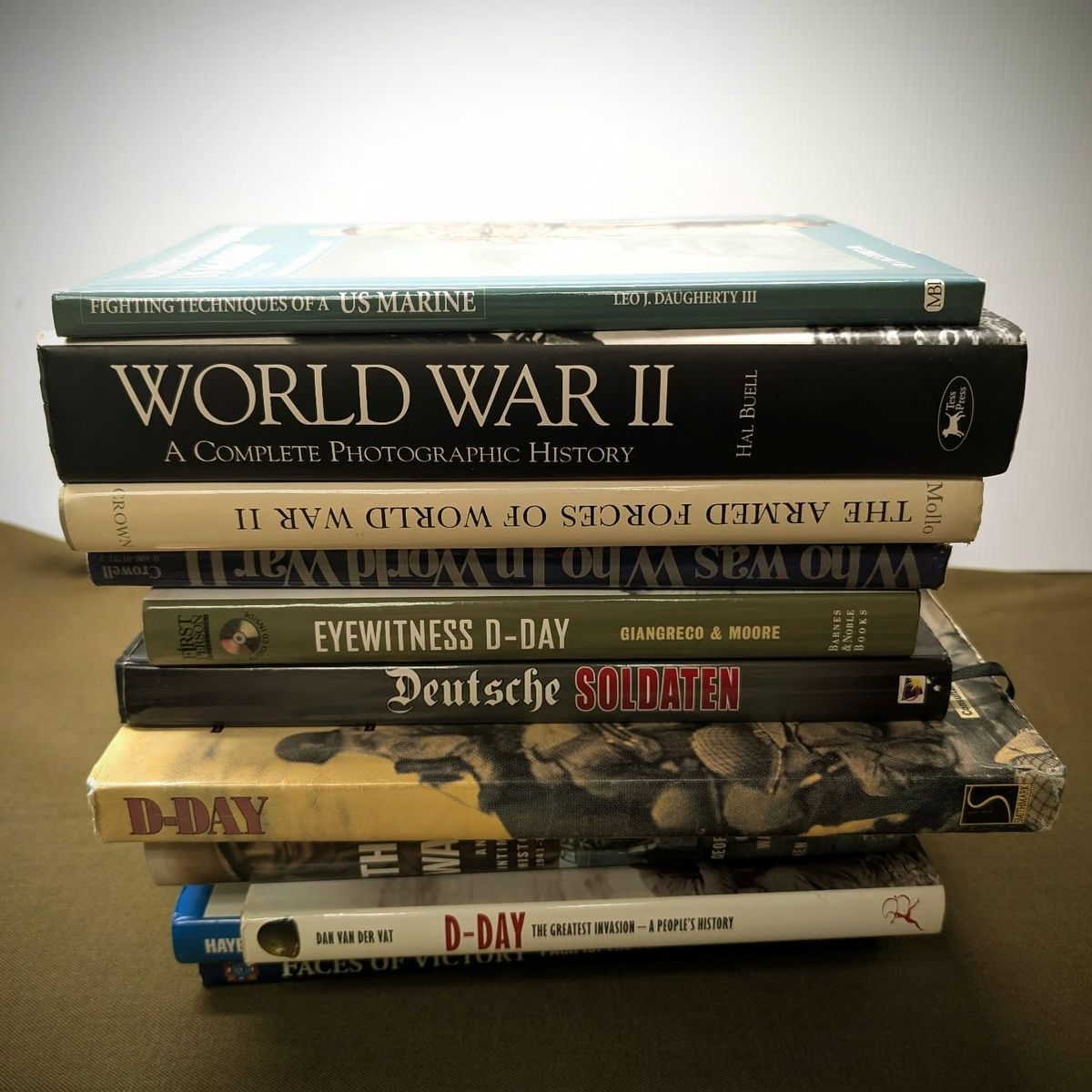
There is something different about American history books. They are not just about dates and events. They are about people who made decisions without knowing how those decisions would echo across decades. When you read them carefully, you begin to see that history was never as neat as it looks in school textbooks.
Some readers pick up American history books to understand politics. Others want to understand war, social change, or economic shifts. Many are simply curious. What really happened? Why did it happen that way? Who benefited, and who paid the price?
Good history books do not rush answers. They walk slowly through complicated moments.
More Than Timelines and Presidents
A lot of people assume American history books are mostly about presidents. That is part of the story, but not the whole thing. Yes, leadership shapes direction. But history is also built by workers, soldiers, families, and communities who rarely appear on currency or monuments.
When you read about the Civil War, for example, you see not just generals and speeches, but letters from ordinary soldiers. When you read about the Great Depression, you feel the strain inside households trying to survive. These details give history texture.
The strongest books do not treat history like a straight line. They show confusion. They show disagreement. They show uncertainty.
Why Context Changes Everything
It is easy to judge past decisions from a modern viewpoint. But American history books remind us that people acted with the knowledge they had at the time. That does not excuse mistakes. It simply explains them.
Consider debates over executive power. They have existed since the early republic. Arguments about taxes, federal authority, and individual rights have resurfaced again and again. When you read widely, you begin to recognize patterns.
Context changes how events feel. Without it, history seems chaotic. With it, you begin to see why choices unfolded the way they did.
Crisis Makes History Clearer
Some of the most gripping American history books focus on the crisis. Wars. The economy has collapsed. Political scandals. Moments when everything felt unstable.
Crisis exposes character. It shows who leads carefully and who reacts impulsively. It shows how systems bend or break under pressure.
Reading about these moments is not just about learning what happened. It is about understanding how fragile stability can be. It also shows how resilience forms. The United States has faced division, financial panic, and external threats before. Each era responded differently.
That perspective keeps present events from feeling completely unfamiliar.
The Power of Primary Voices
The best history books often include original letters, diary entries, speeches, and interviews. These primary sources make the past feel immediate.
When you read a letter written during wartime, you sense the uncertainty in real time. When you read transcripts of debates, you hear arguments that sound surprisingly modern.
Primary voices prevent history from becoming distant. They remind readers that the past was lived by real people who worried, doubted, and hoped just as we do now.
Not Every Book Ages Well
Some American history books are shaped heavily by the era in which they were written. Older works may ignore certain voices or lean strongly toward one interpretation. That does not mean they lack value. It simply means readers must stay aware.
Newer books often revisit older conclusions. They include perspectives that were previously overlooked. History is not fixed. It is examined again and again.
That ongoing reexamination keeps the subject alive.
Why People Keep Reading History
There is a reason American history books continue to sell. They offer perspective. They slow down the rush of daily headlines. They remind readers that today’s debates did not appear overnight.
Reading history builds patience. It makes it easier to see complexity instead of reacting to surface details. It also builds humility. The past is filled with confident predictions that proved wrong.
History rarely unfolds exactly as planned.
Choosing the Right American History Books
Not every reader is looking for the same thing. Some prefer broad overviews that cover decades in one volume. Others want focused studies on single events or leaders. Some enjoy narrative style writing. Others prefer analytical depth.
The best approach is to read widely. Compare authors. Notice differences in interpretation. Ask questions.
No single book captures everything. Together, they create a fuller picture.
What History Really Teaches
American history books do not exist just to preserve memory. They teach something deeper. They show that leadership is difficult. That compromise is often necessary. That fear can shape decisions as much as courage.
They also show endurance. Institutions strain but often survive. People argue fiercely yet continue building. Progress moves unevenly, but it moves.
That is why history remains worth reading.
FAQs
What are American history books about?
They cover events, leaders, social movements, wars, economic changes, and cultural shifts that shaped the United States.
Why should I read American history books?
They provide context for current events and help readers understand how past decisions influence the present.
Are history books biased?
Some are influenced by the author’s perspective. Reading multiple sources helps create a balanced view.
Do American history books focus only on presidents?
No. Many explore everyday lives, social movements, and lesser-known figures who shaped the country.
How do I choose a good history book?
Look for well-researched works, check reviews, and read authors who rely on primary sources.
Final Thoughts
American history books are not relics sitting on dusty shelves. They are conversations across time. They invite readers to step into unfamiliar eras and wrestle with complicated questions.
The past is not perfect. It is layered, flawed, and deeply human. Reading it carefully changes how we see the present.
That is why these books continue to find readers generation after generation.
