
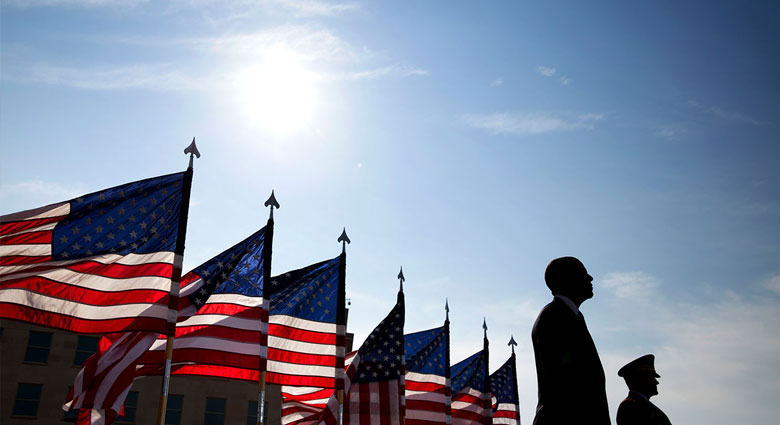
From the outside, the presidency looks grand. Cameras flash. Crowds cheer. Headlines follow every move. But real presidential leadership in the USA happens far from microphones and applause. It happens in private meetings, late-night phone calls, and quiet moments when a single decision can change the direction of a nation.
The job is unlike any other. There is no practice run. No safety net. Every president enters the office carrying hopes from millions of people and criticism from millions more. How they handle that pressure defines their leadership far more than any campaign promise.
The First Days Shape Everything
The early days of a presidency set the rhythm. Some presidents arrive with urgency, signing orders and pushing plans quickly. Others step carefully, watching the political climate before moving forward.
Franklin D. Roosevelt took office when banks were closing and fear was everywhere. He understood that people needed reassurance before reform. His calm voice on the radio made citizens feel less alone. That tone carried through his leadership.
Other presidents have taken different paths. Some chose bold action early. Some preferred quiet negotiation. There is no single correct approach. But the first steps always leave a lasting impression.
Decisions Without Perfect Answers
Presidential leadership in the USA is often defined by impossible choices. War or peace. Spending or saving. Speaking out or staying silent. Most decisions come with risk either way.
Abraham Lincoln faced a fractured nation. His advisers argued. Newspapers attacked. Citizens demanded action. Lincoln listened, reflected, and acted when he believed timing was right. He did not pretend to know everything. He accepted uncertainty as part of the role.
This pattern repeats across history. Presidents rarely get perfect information. They act with what they have. They choose and accept the weight of consequence.
Listening Behind Closed Doors
Many people imagine presidents giving orders. In reality, much of presidential leadership is listening. Military officials, economists, diplomats, political allies, and critics all present opinions. Sorting through them takes patience.
Dwight Eisenhower valued listening deeply. He gathered advice, asked questions, and thought before speaking. He believed a leader who talks too much learns too little.
Presidents who listen well tend to avoid major missteps. Those who ignore counsel often learn lessons the hard way.
Strength Without Recklessness
Presidential power is enormous. That power demands self-control. Some leaders are remembered not for how forcefully they acted, but for when they chose restraint.
John F. Kennedy faced nuclear threat during the Cuban Missile Crisis. Many advised immediate military action. He paused, explored quieter solutions, and opened indirect communication. That careful approach prevented catastrophe.
Strength in leadership is not always loud. Sometimes it is the ability to hold steady while pressure builds around you.
The Human Being Behind the Desk
Presidents are not symbols. They are people with families, habits, fears, and private doubts. The office isolates. Every word is analyzed. Every expression becomes news.
Many former presidents have admitted the loneliness of leadership. Few people can speak to them casually. Few decisions can be shared freely. Carrying that weight changes a person.
Understanding this human side adds depth to how Presidential Leadership USAWe view presidential leadership. It is not a performance. It is endurance.
Leadership Changes With the Times
Presidential leadership in the USA has shifted across generations. Early presidents led through letters and town meetings. Modern presidents lead under constant cameras and instant reactions.
Some adapt easily to public visibility. Others prefer privacy and careful planning. Technology has changed the pace, but not the responsibility. Each era asks different things from its leaders.
The presidency continues to evolve, shaped by culture, communication, and global pressure.
Why Studying Presidential Leadership Matters
Looking at how presidents lead helps citizens understand the complexity behind government decisions. It replaces simple judgments with deeper awareness.
Leadership at this level is rarely about perfection. It is about balancing competing needs, making difficult choices, and accepting accountability.
Studying these stories helps people become more thoughtful observers of politics rather than reactive participants.
FAQs
What defines strong presidential leadership?
Good presidential leadership involves judgment, patience, listening, and responsibility, especially during crisis moments.
Do presidents always know the right decision?
No. Presidents often choose between difficult options without certainty. Accepting uncertainty is part of the role.
Which presidents are often studied for leadership lessons?
Lincoln, Roosevelt, Eisenhower, Kennedy, and Truman are frequently studied for their decision-making under pressure.
Is public speaking the most important leadership skill?
Public speaking helps, but listening, reflection, and decision-making behind closed doors are more central.
Does leadership style stay the same through a presidency?
Often it changes. Many presidents adjust their approach as challenges and experience shape them.
Closing Thoughts
Presidential leadership in the USA is not a story of constant victory or flawless wisdom. It is a story of pressure, hesitation, courage, error, and growth. The presidents remembered most are not those who never failed, but those who carried responsibility with care.
Behind the title is a person making choices that ripple across years. Understanding that reality brings us closer to seeing leadership not as spectacle, but as duty.
